Orthodontic Treatment
Orthodontic treatment focuses on improving the position of teeth and addressing certain bite problems. Assessment helps determine whether treatment may be appropriate and which approach could suit your needs.
Want to straighten your teeth but unsure whether to choose braces or clear aligners? Both are orthodontic treatment options that can help improve tooth alignment, but they differ in how they work, how you care for them and how they fit into your daily routine.
At Smile Squad Dental Clinic in Ravet, Pimpri-Chinchwad, you can enquire about teeth straightening and discuss which treatment options may be suitable for your dental condition and goals. The right choice depends on your tooth positions, bite, oral health and the movements required.
Looking for braces or clear aligners in Ravet? Start with a dental consultation to understand your options, expected treatment duration, costs and follow-up requirements.
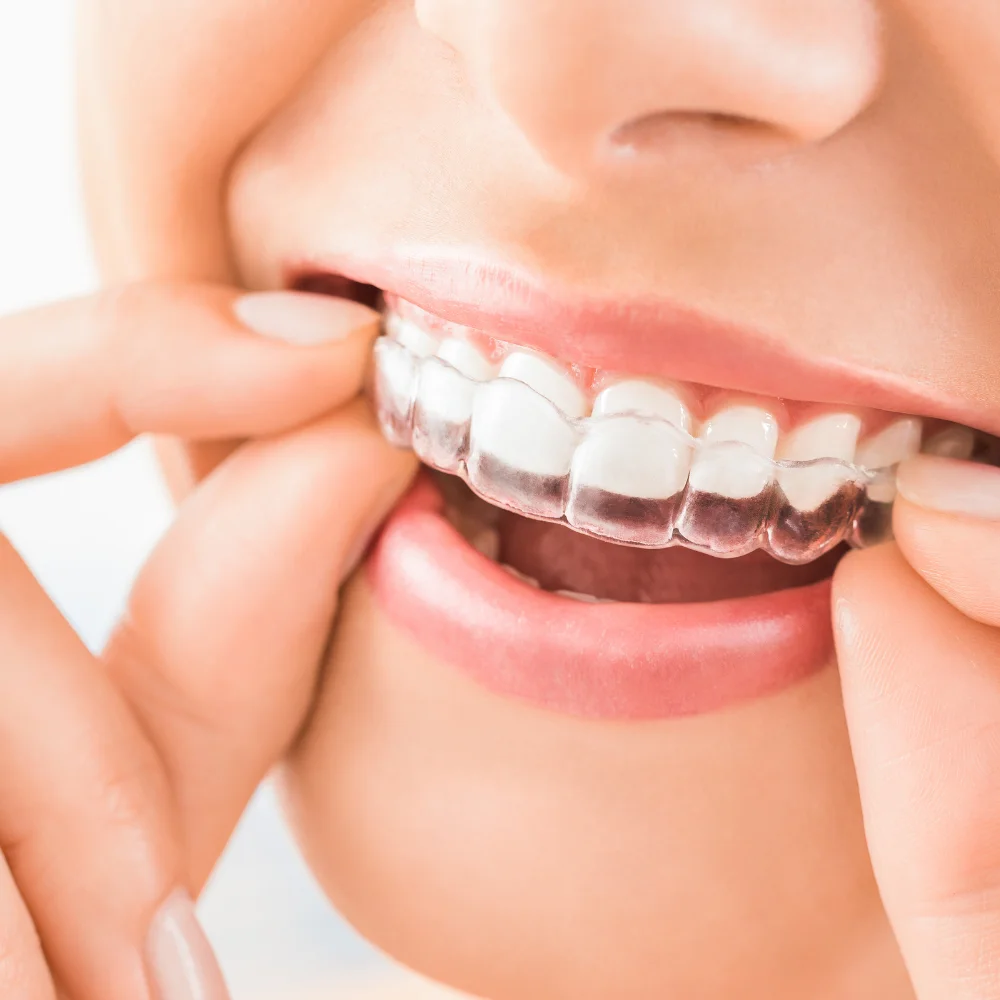
Braces and clear aligners are designed to move teeth gradually. However, they use different appliances and require different daily habits.
Metal braces use small brackets attached to the teeth and a wire that guides tooth movement over time. They remain fixed in place during treatment and are adjusted as required during scheduled visits.
They may be suitable for a range of alignment and bite problems, including cases that require more controlled tooth movement. They do require extra attention to oral hygiene and care when eating.
Ceramic braces work on a similar principle to traditional metal braces but use tooth-coloured or clear brackets. Some people prefer their less noticeable appearance.
Their suitability, maintenance requirements and cost depend on the appliance and treatment plan. Ceramic braces are not appropriate for every case, so ask about their advantages and limitations during your consultation.
Clear aligners are a series of custom-made, removable trays that fit over the teeth. Each set is designed to move the teeth gradually towards the planned positions.
Aligners can be less noticeable than conventional braces and can be removed for eating, drinking anything other than water, and cleaning your teeth. However, they need consistent wear as instructed. They may not be suitable for every alignment or bite problem.
There is no single option that is best for everyone. The choice should be based on your clinical needs, the complexity of tooth movement, your daily routine and the treatment plan recommended after an examination.
| Factor | Braces | Clear aligners |
|---|---|---|
| Visibility | Metal braces are noticeable; ceramic braces can be less noticeable. | Usually less noticeable because the trays are transparent. |
| Removability | Fixed braces stay on the teeth during treatment. | Trays can be removed for meals and oral hygiene. |
| Cleaning | Requires careful cleaning around brackets and wires. | Trays are removed so teeth can be brushed and flossed normally. |
| Eating | Certain hard, sticky or crunchy foods may need to be avoided. | Remove trays for meals and follow the clinician's instructions. |
| Daily commitment | Requires appliance care and scheduled adjustment visits. | Requires consistent wear and careful storage and cleaning. |
| Suitability | Can address a wide range of orthodontic problems, depending on the case. | Suitable for selected cases; some complex movements may require another approach. |
Your dentist or orthodontic clinician can explain which options are realistic for your case. Appearance alone should not determine the treatment choice.
An orthodontic assessment may be helpful if you have:
These concerns do not automatically mean you need braces or aligners. A clinical assessment is needed to identify the cause and determine whether orthodontic treatment is appropriate.
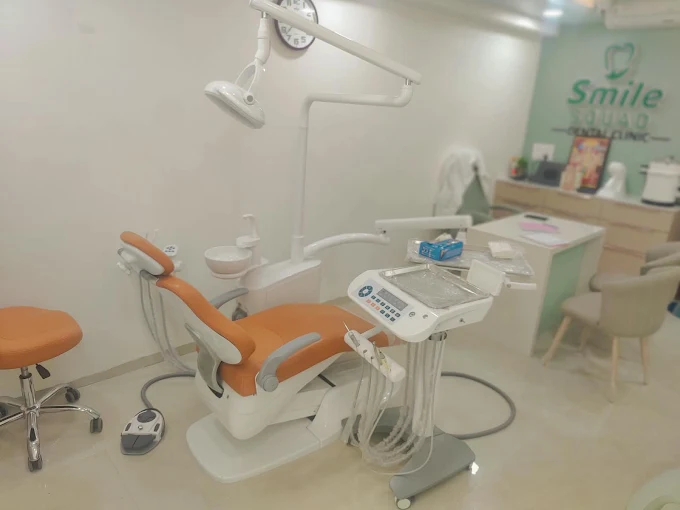
How we treat: Braces and Clear Aligners
Discuss the changes you would like to make to your smile, any bite-related concerns and your preferences about fixed or removable appliances.
Your dental professional will assess your teeth, gums and bite. Photographs, dental X-rays or scans may be recommended when clinically necessary. This information helps determine which treatment approaches may be appropriate.
Ask about the recommended appliance, expected treatment duration, total fees, payment schedule, follow-up visits, possible limitations and aftercare. You should understand the proposed plan before deciding to proceed.
If you are suitable for treatment, the clinician will explain the next steps. Fixed braces are fitted to your teeth, while aligner treatment generally involves a planned series of trays and instructions for changing them.
Regular reviews help the clinician monitor progress and make any necessary adjustments. Once active treatment finishes, retainers are commonly recommended to help keep your teeth in their new positions.
Treatment time varies according to the complexity of your case and the amount of tooth movement required. Your choice of appliance, attendance at review appointments and adherence to the treatment instructions can also influence progress.
Clear aligners are not automatically faster than braces, and choosing an appliance because it promises a shorter timeline is not a substitute for an appropriate treatment plan.
Ask for an estimated duration based on your examination and what could affect that estimate.
Good oral hygiene is important whichever option you choose.
If you have braces:
If you use clear aligners:
Do not change your treatment schedule or try to modify an appliance yourself. Follow the instructions provided for your specific treatment.
Choosing an orthodontic treatment involves more than comparing appliances. It is important to understand your dental condition, the expected process and the responsibilities involved throughout treatment.
At Smile Squad Dental Clinic in Ravet, you can enquire about your teeth alignment concerns and discuss the next steps for assessment and treatment planning.
Neither is universally better. Clear aligners are removable and less noticeable, while fixed braces can be suitable for a broad range of tooth movements. The recommended option depends on your dental condition, bite and treatment goals.
No. Some alignment problems may be treated with aligners, while others may be better managed with fixed braces or another approach. A dental assessment is necessary before choosing treatment.
Yes. Adults may be suitable for orthodontic treatment. The clinician will assess tooth and gum health, existing dental work and the movements required before recommending an option.
You may experience temporary pressure, tenderness or discomfort when treatment starts or after an adjustment or new aligner. The experience varies. Ask your clinician how to manage discomfort and when you should seek a review.
Many aligner plans require wear for most of the day, often around 20–22 hours, but the exact schedule depends on the system and your clinician's instructions. Consistent wear is important for treatment to progress as planned.
The cost depends on the appliance, case complexity, expected duration and follow-up requirements. Contact Smile Squad Dental Clinic for current fees after confirming which treatment options are available.
Retainers are commonly prescribed after active orthodontic treatment because teeth can shift over time. Your clinician will explain which retainer is suitable and how it should be worn.
Explore related treatments available at Smile Squad Dental Clinic.
Orthodontic treatment focuses on improving the position of teeth and addressing certain bite problems. Assessment helps determine whether treatment may be appropriate and which approach could suit your needs.
Professional teeth cleaning helps remove plaque and hardened tartar that regular brushing cannot fully eliminate. Cleaning may also include polishing when appropriate.
Smile design involves assessing the appearance and function of the teeth, gums and bite to plan suitable dental treatments around a person's concerns.