Braces and Clear Aligners
Braces and clear aligners are options for moving teeth gradually. They differ in appearance, removability, daily care and suitability for different alignment problems.
Are crooked teeth, gaps or an uneven bite making it difficult to clean your teeth or feel comfortable with your smile? Orthodontic treatment can help correct the position of teeth and improve how the upper and lower teeth meet.
At Smile Squad Dental Clinic in Ravet, Pimpri-Chinchwad, you can discuss your teeth alignment concerns and learn about the treatment options that may be suitable for your needs. The right approach depends on your dental condition, bite, oral health and treatment goals.
Looking for orthodontic treatment in Ravet? Book a consultation to discuss your concerns and understand the next steps.
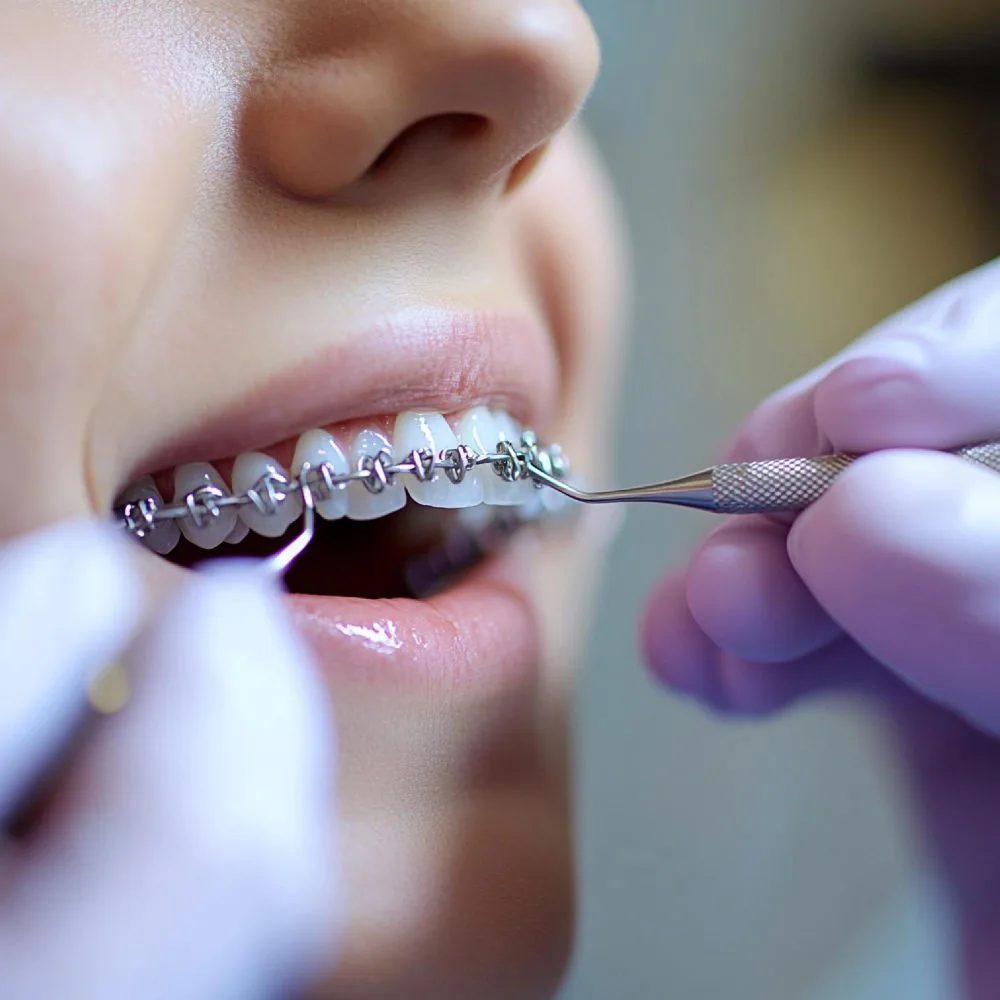
Orthodontic treatment focuses on correcting the position of teeth and, where appropriate, improving the way the upper and lower teeth fit together. It may be recommended for crowded teeth, gaps, protruding teeth or certain bite problems.
Treatment involves a planned application of gentle forces that gradually move teeth into new positions. The process takes time and requires regular monitoring by the dental professional managing your case.
Orthodontic treatment is not only about appearance. Better-aligned teeth may be easier to clean, while correcting certain bite problems can help improve how the teeth come together. The benefits and limitations vary from one patient to another.
An orthodontic consultation may be useful if you notice any of the following concerns:
These signs do not automatically mean that orthodontic treatment is necessary. A dental assessment is needed to determine whether treatment would be beneficial and which approach is appropriate.
Yes. Orthodontic treatment is not limited to children and teenagers. Adults may also be suitable candidates, depending on their teeth, gums, bone support and overall oral health.
Before treatment begins, existing dental problems such as tooth decay or gum disease may need to be addressed. Your dental professional can assess your oral health and discuss realistic outcomes, limitations and the expected commitment involved.
For children and teenagers, the appropriate timing depends on dental development, the type of alignment issue and whether treatment is needed immediately or can wait until a later stage.
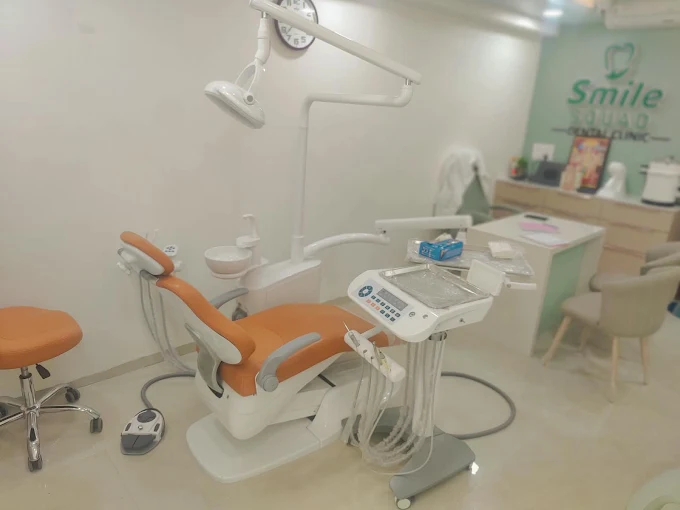
How we treat: Orthodontic Treatment
The process generally involves the following stages. Your actual treatment plan may differ depending on your clinical needs.
Discuss your concerns, what you would like to improve and any difficulties you experience when biting or cleaning your teeth. Your dental professional will assess whether an orthodontic evaluation is appropriate.
The assessment may include examining your teeth, gums and bite. Dental photographs, X-rays or scans may be recommended when clinically necessary to help plan treatment.
After evaluating your condition, your dental professional can explain the available options, expected treatment duration, fees, limitations and responsibilities involved. Not every patient needs the same type of appliance.
Once treatment starts, periodic appointments help monitor tooth movement and assess progress. Attending scheduled visits and following instructions are important parts of treatment.
After active treatment, retainers are commonly prescribed to help keep the teeth in their new positions. Your dental professional will explain the type of retainer and how long it should be used.
There is no single treatment duration that applies to everyone. Some cases are relatively straightforward, while others involve more complex tooth movement or bite correction.
The time required can depend on the amount of movement needed, the condition of your teeth and gums, the treatment method selected and how consistently you follow the treatment plan. Missed appointments or not following appliance instructions may also affect progress.
During your consultation, ask for an estimated timeline based on your individual assessment rather than relying on a general estimate.
Choosing dental care starts with understanding your concerns and receiving clear information about the options available to you.
At Smile Squad Dental Clinic, you can enquire about teeth alignment concerns and discuss the next steps for assessment and treatment planning.
The appropriate age depends on dental development and the problem being assessed. Children, teenagers and adults may be suitable for treatment. A dental professional can advise when it is appropriate to begin.
Orthodontic treatment can address many types of crowding and spacing. The suitable approach depends on the amount of space available, tooth positions, bite and overall oral health.
Treatment duration varies according to case complexity and the planned tooth movements. Your dental professional should provide an estimate after examining your teeth and bite.
You may experience temporary pressure, tenderness or discomfort when treatment begins or an appliance is adjusted. The level of discomfort varies. Ask your dental professional how to manage it and when persistent discomfort needs review.
Dietary advice depends on the appliance used. People with fixed braces are generally advised to avoid hard, sticky foods that could damage the appliance. Follow the specific eating and cleaning instructions provided for your treatment.
Retainers are commonly recommended because teeth can move after active treatment. The type of retainer and the recommended wearing schedule depend on your case.
The cost depends on the treatment method, complexity, expected duration and follow-up requirements. Contact Smile Squad Dental Clinic for current consultation and treatment fees after confirming the available treatment options.
Explore related treatments available at Smile Squad Dental Clinic.
Braces and clear aligners are options for moving teeth gradually. They differ in appearance, removability, daily care and suitability for different alignment problems.
Children need age-appropriate dental care as their milk teeth and permanent teeth develop. Dental visits can help identify problems, support cavity prevention and give parents practical oral hygiene guidance.
Smile design involves assessing the appearance and function of the teeth, gums and bite to plan suitable dental treatments around a person's concerns.