Teeth Cleaning
Professional teeth cleaning helps remove plaque and hardened tartar that regular brushing cannot fully eliminate. Cleaning may also include polishing when appropriate.
Healthy teeth help children eat comfortably, develop clear speech and maintain good oral health as they grow. Starting dental care early can also help parents recognise common dental problems and build everyday habits that protect their children's teeth.
At Smile Squad Dental Clinic in Ravet, Pimpri-Chinchwad, parents can enquire about dental check-ups and oral health care for children. The appropriate care depends on the child's age, dental development, oral hygiene habits and individual needs.
Looking for children's dentistry in Ravet? Book a dental appointment to discuss your child's teeth, identify any concerns and understand the next steps for maintaining a healthy smile.
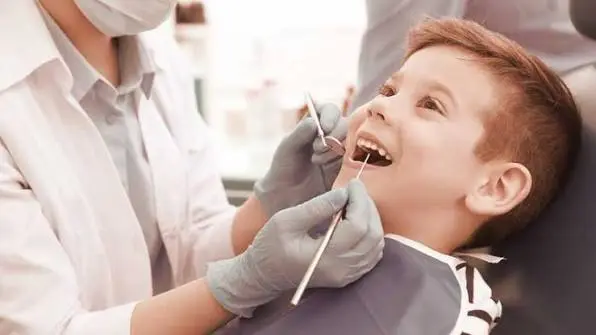
Children's dentistry focuses on the oral health of infants, children and teenagers. It includes assessing developing teeth, identifying dental problems, providing preventive guidance and recommending treatment when required.
Children have milk teeth, also called primary teeth, before their permanent teeth gradually emerge. Although milk teeth eventually fall out, they remain important for chewing, speech development and maintaining space for permanent teeth.
Dental problems can affect milk teeth as well as permanent teeth. Regular dental care helps identify concerns early and allows parents to receive age-appropriate advice about brushing, diet and cavity prevention.
A child's first dental visit should take place after the first tooth appears and no later than the first birthday, according to the American Academy of Pediatric Dentistry and the American Dental Association. Early visits allow the dentist to assess oral development and help parents establish healthy dental care habits.
A check-up may also be appropriate sooner if you notice pain, visible decay, an injury or another concern.
During an early visit, the dentist may examine the mouth, check tooth development and discuss brushing, feeding habits and ways to reduce the risk of tooth decay.
Parents do not need to wait until all milk teeth have appeared before seeking dental advice.
Children can experience several dental concerns as their teeth develop.
Frequent exposure to sugary foods and drinks, along with ineffective plaque removal, can contribute to tooth decay. A dentist can assess the affected tooth and explain whether preventive care, a filling or another treatment is appropriate.
Tooth pain may be associated with decay, dental injury or other problems. A dental examination helps identify the cause and determine the appropriate treatment.
Milk teeth can develop cavities, become damaged or require attention before they fall out naturally. Keeping them healthy helps support chewing, speech and the development of the permanent teeth.
As children grow, their permanent teeth begin to replace their milk teeth. A dental assessment can help monitor tooth development and identify concerns about spacing, alignment or eruption.
Falls and sports-related accidents can damage a child's teeth or mouth. A dental injury should be assessed promptly, particularly if a tooth is broken, displaced or knocked out.
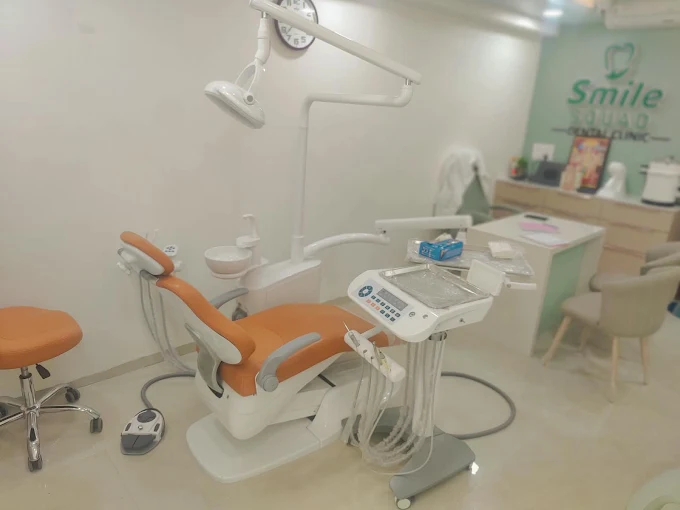
How we treat: Children's Dentistry
The examination depends on the child's age, comfort and oral health needs. A typical appointment may include the following.
The dentist may ask about the child's dental history, brushing routine, diet, symptoms and any previous dental treatment. Share any medical conditions, allergies and relevant medicines.
The dentist checks the teeth and gums for signs of decay, inflammation, injury or other concerns. Tooth development and oral hygiene may also be assessed.
Parents may receive practical guidance about brushing, fluoride toothpaste, food and drink habits and age-appropriate oral hygiene.
If a dental problem is identified, the dentist explains the findings and possible treatment options. Any X-rays or additional procedures should be recommended according to the child's individual needs.
The dentist can advise when the child should return. The interval depends on the child's oral health, risk of decay and treatment needs.
Everyday habits play an important role in children's oral health.
Parents should follow age-appropriate toothpaste guidance and supervise younger children to minimise swallowing toothpaste. The correct amount and fluoride concentration depend on the child's age and applicable dental guidance.
Yes. Milk teeth help children chew, support speech development and maintain space for permanent teeth. Tooth decay in a milk tooth can cause pain or infection and may affect a child's eating, sleep and daily activities.
If a milk tooth develops a cavity or becomes damaged, have it examined rather than assuming it does not need treatment. The dentist can assess the tooth and explain whether treatment or monitoring is appropriate.
A positive introduction to dental care can help children become more familiar with dental visits.
Parents can help by describing the appointment calmly, using age-appropriate explanations and avoiding language that presents dental treatment as a punishment. For younger children, a visit when they are rested may make the experience easier.
Tell the dental team if your child feels worried or has had a difficult dental experience before. The clinician can discuss how to approach the examination in a way that takes the child's needs into account.
Children's dental care involves more than treating cavities. It also includes understanding a child's oral health, supporting good daily habits and helping parents recognise concerns that need professional attention.
At Smile Squad Dental Clinic in Ravet, parents can enquire about dental check-ups and discuss the appropriate next steps for their child's dental care.
The first visit is recommended after the first tooth appears and no later than the first birthday. Seek advice sooner if your child has pain, visible decay or a dental injury.
They may. Milk teeth are important for chewing, speech and maintaining space for permanent teeth. The dentist will assess the tooth and explain the appropriate treatment.
The interval depends on the child's oral health, risk of tooth decay and individual needs. Follow the schedule recommended by your dental professional rather than assuming every child needs the same interval.
Help your child brush twice daily with age-appropriate fluoride toothpaste, supervise brushing as needed, limit frequent sugary foods and drinks, and arrange dental visits as advised.
No. Dental X-rays should be recommended according to the child's symptoms, examination findings and individual needs. The dentist can explain why an X-ray is or is not appropriate.
Arrange a dental assessment promptly to identify the cause. If your child has facial swelling, fever or worsening symptoms, seek urgent dental advice. Difficulty breathing or swallowing requires emergency medical care.
The cost depends on the examination and any treatment required. Contact Smile Squad Dental Clinic for current consultation fees and treatment estimates after confirming the services available for your child's needs.
Explore related treatments available at Smile Squad Dental Clinic.
Professional teeth cleaning helps remove plaque and hardened tartar that regular brushing cannot fully eliminate. Cleaning may also include polishing when appropriate.
Orthodontic treatment focuses on improving the position of teeth and addressing certain bite problems. Assessment helps determine whether treatment may be appropriate and which approach could suit your needs.
Tooth extraction involves removing a tooth when removal is considered appropriate. Depending on the condition of the tooth, alternatives such as a filling or root canal treatment may also need to be considered.