Dental Implants
Dental implants are one option for replacing missing teeth. An implant is placed in the jawbone and can support a replacement tooth, bridge or certain types of dentures.
A severely damaged tooth, persistent dental pain or a problematic wisdom tooth may need professional assessment. In some cases, removing the tooth is the most appropriate option. However, extraction is not always necessary: depending on the condition of the tooth, treatments such as a filling or root canal may help preserve it.
At Smile Squad Dental Clinic in Ravet, Pimpri-Chinchwad, you can discuss tooth pain, damage or other dental concerns and learn which treatment options may be suitable. A dental examination helps determine whether the tooth can be preserved or whether removal should be considered.
Looking for tooth extraction in Ravet? Book a dental consultation to discuss your symptoms, treatment options, procedure and aftercare.
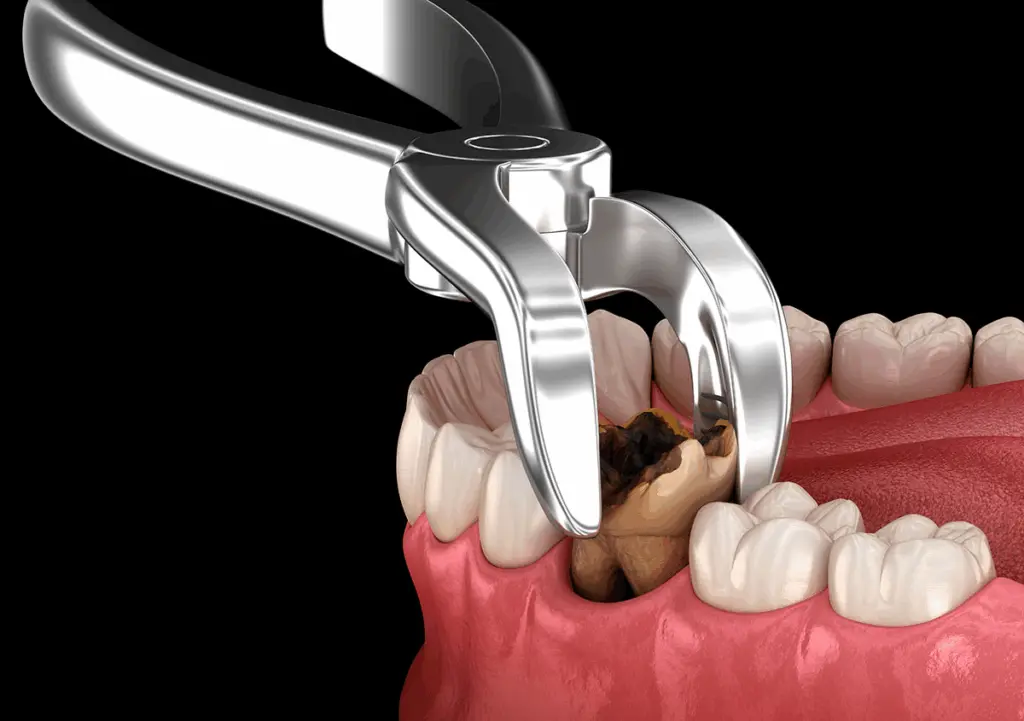
Tooth extraction is a dental procedure in which a tooth is removed from its socket in the jawbone. A dentist may recommend it when a tooth cannot be restored predictably or when keeping it may affect oral health.
The type of extraction depends on the tooth's position, condition and accessibility. A straightforward extraction may be possible when the tooth can be accessed easily. A more complex extraction may require a surgical approach or referral to an appropriate specialist.
The dentist should explain why extraction is being considered and whether there are alternatives before treatment begins.
Extraction may be considered in several situations:
These are examples, not automatic reasons for removal. Your dentist will assess the tooth and discuss suitable alternatives, including whether root canal treatment or another restoration may help preserve it.
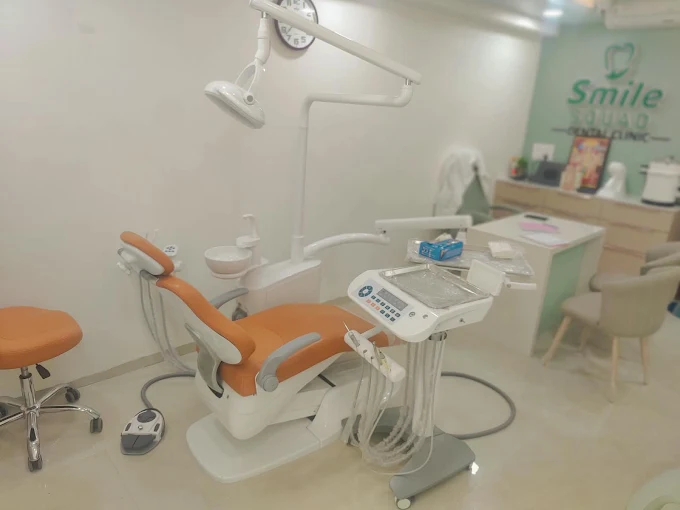
How we treat: Tooth Extraction
The steps vary according to the type of extraction and the condition of the tooth. A typical appointment may involve the following stages.
Your dentist examines the affected tooth and surrounding gums. Dental X-rays may be recommended when needed to understand the tooth's position, roots and nearby structures.
The dentist explains why extraction may be appropriate, whether the tooth can be preserved, what the procedure involves and whether a more complex procedure or specialist referral is needed.
Tell your dentist about your medical conditions, allergies and any medicines or supplements you take. Do not stop prescribed medication unless your treating clinician advises you to do so.
Local anaesthesia is commonly used to numb the area around the tooth. You may feel pressure during the procedure, but you should tell the dentist if you experience pain or are uncomfortable.
For a straightforward extraction, the dentist uses suitable instruments to loosen and remove the tooth. More complex cases, including some impacted wisdom teeth, may require a surgical technique.
The approach depends on your dental assessment and should be explained before treatment.
After removal, the dentist provides guidance on protecting the extraction site, managing discomfort, eating and drinking, maintaining oral hygiene and arranging any necessary follow-up.
Local anaesthesia is used for many extractions to help keep the procedure comfortable. You may notice pressure while the tooth is being removed, and some tenderness, swelling or discomfort can occur afterwards.
The level of discomfort and recovery time depend on the tooth, the complexity of the procedure and individual factors. Follow the instructions provided by your dentist and contact the clinic if pain becomes severe, worsens instead of improving or concerns you.
If you feel anxious about dental treatment, tell your dentist before the procedure so your concerns can be discussed.
Following your dentist's instructions is important for healing. The advice below is general; your own instructions may differ depending on the extraction.
Some bleeding, tenderness and swelling can occur after an extraction. Contact your dentist promptly if bleeding does not stop with the recommended measures, pain becomes severe or worsens, swelling increases, or you develop a fever or discharge from the extraction site. Seek urgent medical care if you have difficulty breathing or swallowing.
If a permanent tooth is removed, ask your dentist whether replacing it would be beneficial. The options depend on which tooth is missing, the condition of neighbouring teeth, your oral health and your preferences.
Possible options may include:
Not every extraction requires tooth replacement, and the timing depends on your clinical situation. Discuss the benefits, limitations, costs and timing of the available options with your dentist.
A treatment decision should begin with an examination and a clear explanation of the available options.
At Smile Squad Dental Clinic in Ravet, you can enquire about a painful, damaged or problematic tooth and discuss the next steps for assessment.
Extraction may be recommended when a tooth is too damaged to restore, has severe supporting-tissue problems or presents another clinical concern. Your dentist will assess whether it can be preserved before recommending removal.
Sometimes. Depending on the extent of decay and the condition of the tooth, a filling, crown or root canal treatment may be possible. Examination and any necessary X-rays help the dentist evaluate the options.
Not always. Some wisdom teeth can be removed with a straightforward procedure, while impacted or difficult-to-access teeth may require surgical removal or specialist care.
Many people feel more comfortable over the first few days, but healing varies with the tooth removed, the procedure and individual factors. Follow-up may be needed, especially after a complex extraction.
Soft foods are often easier to manage initially. Follow your dentist's advice about suitable foods, temperature and when to resume your usual diet. Avoid disturbing the extraction site while it heals.
Not every case is the same. Replacement may be recommended to restore function or address other concerns, but the decision depends on which tooth was removed, your bite and your overall oral health. Ask your dentist about the options.
The cost depends on the tooth's position, the complexity of the extraction, the investigations required and whether specialist treatment is needed. Contact Smile Squad Dental Clinic for current fees after your dental assessment.
Explore related treatments available at Smile Squad Dental Clinic.
Dental implants are one option for replacing missing teeth. An implant is placed in the jawbone and can support a replacement tooth, bridge or certain types of dentures.
Dentures are removable dental appliances used to replace some or all missing teeth. Full and partial dentures serve different needs depending on the number of missing teeth and the condition of the remaining teeth and gums.
Dental crowns can restore and cover suitable damaged or weakened teeth. Dental bridges can replace one or more missing teeth using appropriate supporting teeth or implants.