Root Canal Treatment
A root canal may help preserve a tooth when the tissue inside it becomes inflamed or infected. The treatment involves removing the affected tissue, cleaning the inside of the tooth and sealing it.
A damaged tooth or a gap left by a missing tooth can affect how you chew and how your teeth fit together. Dental crowns and bridges are restorative treatments that may help restore tooth structure or replace missing teeth, depending on your dental condition.
At Smile Squad Dental Clinic in Ravet, Pimpri-Chinchwad, you can discuss your concerns and learn whether a dental crown, bridge or another restoration may be suitable. The recommended treatment depends on the condition of your teeth and gums, your bite and the support available for the restoration.
Looking for dental crowns and bridges in Ravet? Book a dental consultation to discuss the available options, treatment process, expected timeline and cost.
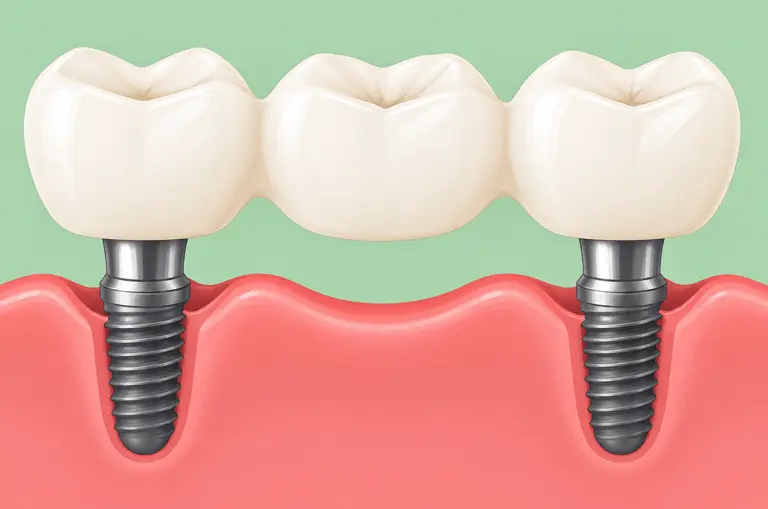
A dental crown, sometimes called a tooth cap, is a custom-made covering that fits over a prepared tooth. It can restore the tooth's shape and function and help protect a tooth that has been weakened or significantly damaged.
A dentist may consider a crown for a tooth that is:
A crown is not required for every damaged tooth. Depending on the condition of the tooth, a filling or another restoration may be more appropriate. Your dentist should explain the reason for the recommendation.
A dental bridge is a fixed restoration used to replace one or more missing teeth. A conventional bridge typically uses supporting teeth on either side of a gap, with an artificial tooth or teeth filling the space. Other designs may use dental implants or different forms of support.
A bridge may be considered when you have missing teeth and want to explore a fixed replacement option. By filling a gap, it can help restore chewing function and the appearance of the smile. Suitability depends on the number and position of missing teeth, the health of the supporting teeth and gums, and your bite.
A bridge is not the only option for replacing missing teeth. Your dentist may also discuss dental implants or dentures, depending on your circumstances.
Although both are restorative dental treatments, they serve different purposes.
| Dental crown | Dental bridge |
|---|---|
| Covers and restores a tooth that remains in the mouth, or may be fitted over a dental implant. | Replaces one or more missing teeth. |
| May be recommended for a weakened, broken or extensively restored tooth. | May be considered when there is a gap caused by missing teeth. |
| Usually fits over a prepared tooth or is attached to an implant. | Uses supporting teeth or implants, depending on the design. |
| Requires careful cleaning around the restored tooth and gumline. | Requires cleaning around the supporting teeth and beneath the artificial tooth. |
The most suitable treatment depends on your examination findings. Ask your dentist about the benefits, limitations, costs and maintenance requirements of each suitable option before deciding.
Crowns and bridges may be made from materials such as metal, ceramic or porcelain-fused-to-metal. The appropriate material depends on the position of the tooth, chewing forces, appearance preferences, the condition of the supporting teeth and the planned restoration.
Different materials have different characteristics. Your dentist can explain the available options, their advantages and limitations, expected maintenance and the cost involved.
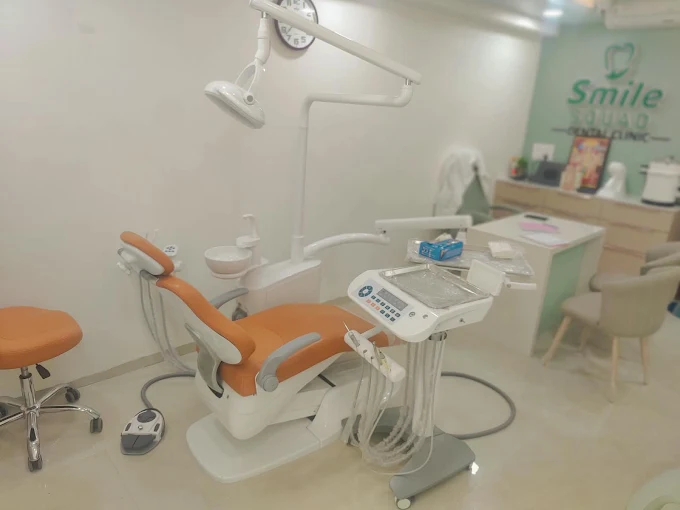
How we treat: Dental Crowns and Bridges
The precise process depends on the restoration being made and your dental condition. Conventional crown and bridge treatment commonly involves several steps.
Your dentist examines the affected tooth or missing-tooth area, checks your gums and bite, and assesses the teeth that may support the restoration. Dental X-rays may be recommended when clinically necessary.
The dentist explains whether a crown, bridge or alternative restoration may be suitable. This is the time to discuss materials, costs, expected appointments, limitations and any additional treatment that may be needed.
For many conventional crowns and bridges, the supporting tooth or teeth must be reshaped to accommodate the restoration. Local anaesthesia is commonly used when needed to help keep the procedure comfortable.
Impressions or scans may be taken to help create a restoration that fits your teeth and bite. A temporary crown or bridge may be provided while the final restoration is being prepared.
At a later appointment, the dentist checks the fit, appearance and bite before securing the crown or bridge. Adjustments may be necessary to achieve a suitable fit.
The number of visits and time required depend on the case, the restoration and whether additional treatment is needed.
A restoration still needs regular care. Good oral hygiene and dental reviews help maintain the restoration and the teeth and gums around it.
Contact your dentist if your crown or bridge becomes loose, cracks, causes persistent discomfort or makes chewing painful. Do not attempt to repair or recement a restoration yourself.
When considering restorative dentistry, it is important to understand what is causing the problem and which treatments are appropriate for your teeth.
At Smile Squad Dental Clinic in Ravet, you can enquire about damaged teeth or missing teeth and discuss the next steps for assessment and treatment planning.
Yes. “Tooth cap” is a common term for a dental crown. A crown fits over a prepared tooth to restore its shape, function and, where appropriate, provide additional support.
No. A crown does not automatically mean you need a root canal. Root canal treatment may be needed when the inside of a tooth is affected by infection or other damage. The recommendation depends on the clinical findings.
Some bridge designs can replace more than one tooth. Whether this is appropriate depends on the length and position of the gap, the supporting structures and your bite. Your dentist can assess the available options.
They are generally fixed restorations, but they do not last forever. Their lifespan depends on factors such as the material, fit, oral hygiene, chewing forces and condition of the supporting teeth. They may require repair or replacement over time.
Local anaesthesia is commonly used when the teeth are prepared, helping to keep the procedure comfortable. Some sensitivity or soreness may occur afterwards. Your dentist can explain what to expect and when a review may be needed.
Dental implants may be an alternative for replacing missing teeth in suitable patients. Implants and bridges differ in their support, treatment requirements, timelines and costs. A dental examination can help determine which options may suit your needs.
The cost depends on the type of restoration, the number of teeth involved, the material selected and any additional treatment required. Contact Smile Squad Dental Clinic for current fees and a treatment estimate based on your assessment.
Explore related treatments available at Smile Squad Dental Clinic.
A root canal may help preserve a tooth when the tissue inside it becomes inflamed or infected. The treatment involves removing the affected tissue, cleaning the inside of the tooth and sealing it.
Dental implants are one option for replacing missing teeth. An implant is placed in the jawbone and can support a replacement tooth, bridge or certain types of dentures.
Dentures are removable dental appliances used to replace some or all missing teeth. Full and partial dentures serve different needs depending on the number of missing teeth and the condition of the remaining teeth and gums.