Dental Implants
Dental implants are one option for replacing missing teeth. An implant is placed in the jawbone and can support a replacement tooth, bridge or certain types of dentures.
Missing teeth can make everyday activities such as chewing, speaking and smiling feel different. Dentures are custom-made dental appliances that replace some or all missing teeth and may help restore these functions.
At Smile Squad Dental Clinic in Ravet, Pimpri-Chinchwad, you can enquire about options for replacing missing teeth and discuss whether dentures may be suitable for your needs. The right option depends on how many teeth are missing, the condition of your gums and any remaining teeth, your jaw structure and your preferences.
Looking for dentures in Ravet? Book a dental consultation to discuss suitable options, the fitting process, expected appointments, maintenance and costs.
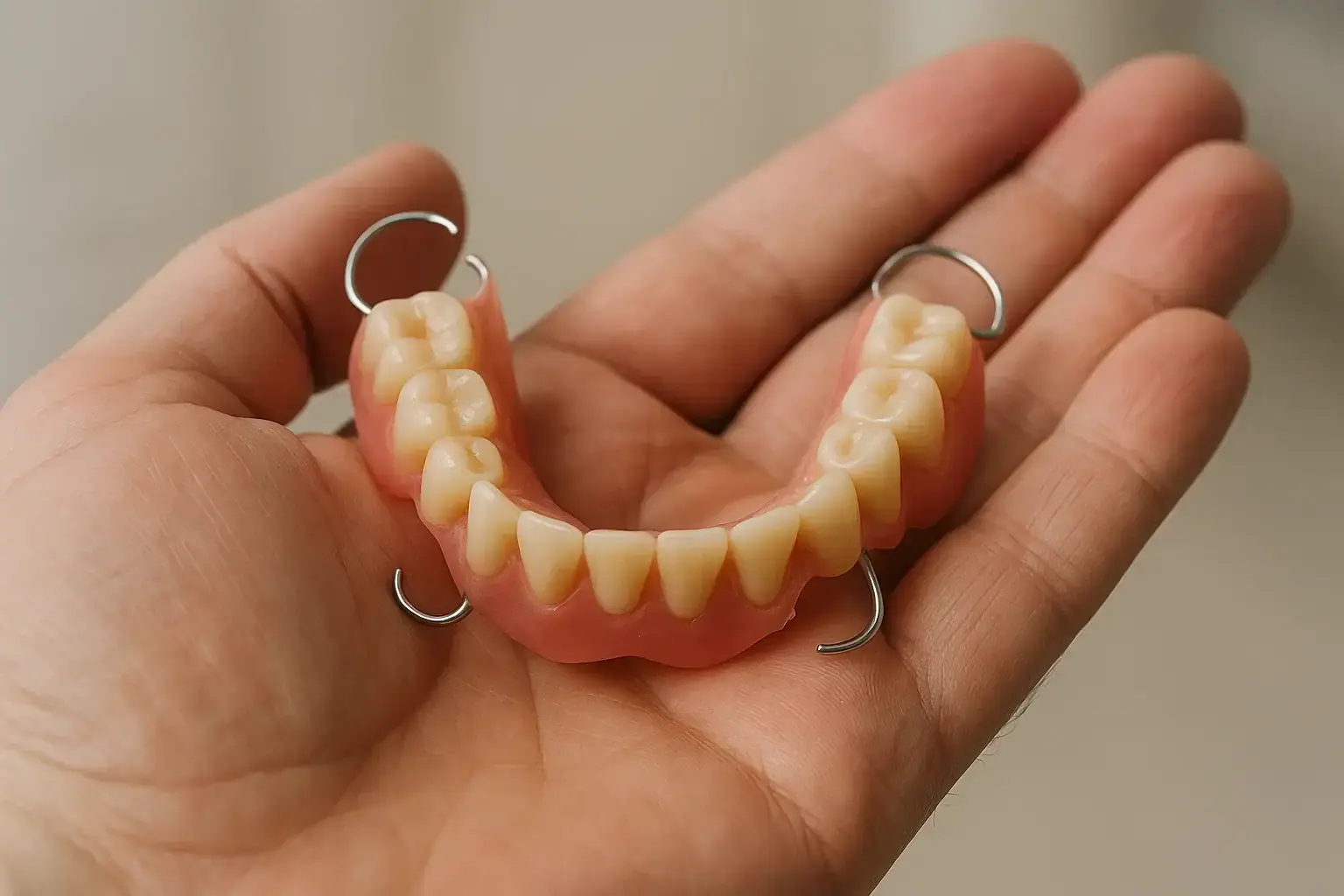
Dentures are artificial teeth attached to a base designed to fit the mouth. They can replace a complete row of missing teeth or several missing teeth in an otherwise partially dentate mouth.
Depending on the type and fit, dentures may help with chewing, speech and the appearance of the smile. They are made to suit the individual's mouth and need periodic assessment because the gums and underlying jawbone can change shape over time.
Dentures do not permanently prevent changes in the jawbone after tooth loss, and they require daily care and regular dental reviews.
The most suitable type depends on how many teeth are missing, the condition of the remaining teeth and gums, and your overall treatment needs.
Full dentures, also called complete dentures, replace all the teeth in the upper jaw, lower jaw or both. They rest on the supporting tissues of the mouth and are designed to fit the shape of the gums.
Your dentist will assess the fit, stability and comfort of the denture and explain how to use and care for it.
Partial dentures replace one or more missing teeth when some natural teeth remain. Depending on the design, they may use clasps or other components to help retain the denture.
A partial denture should be planned around the condition of the remaining teeth and gums. Those teeth still need regular brushing and dental care.
An immediate denture may be made in advance and fitted around the time teeth are removed. It can provide a tooth replacement during the initial healing period, but changes in the gums and jaw can affect its fit as healing progresses.
Immediate dentures may require adjustments and, in some cases, replacement after healing. Your dentist can explain whether this option is appropriate and what follow-up may be needed.
Some dentures are supported or retained by dental implants. Depending on the design, they may attach to implants and provide additional stability compared with a conventional removable denture.
Implant-supported or implant-retained dentures require assessment of the jawbone, oral health and suitability for implant treatment. Ask the clinic whether this treatment is available and whether a referral or additional assessment would be required.
Dentures may be considered for people who have lost teeth because of decay, gum disease, injury or other dental conditions.
A consultation may be useful if you:
Not every person with missing teeth needs the same solution. Your dentist can discuss the options, benefits, limitations and long-term care involved before you decide.
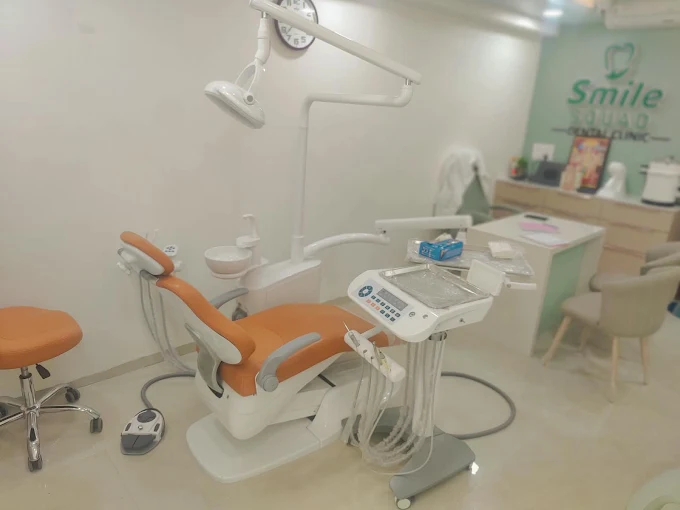
How we treat: Dentures
The process depends on the type of denture and whether any teeth need to be removed first.
Your dentist examines your mouth, gums and any remaining teeth. Share your concerns about chewing, speech, comfort or the appearance of your smile, along with your medical history and relevant medicines.
The dentist discusses which type of denture may be suitable and whether another tooth-replacement option should be considered. The plan may include additional treatment before the denture is made.
Measurements, impressions or digital scans may be taken to help create a denture that fits your mouth. The dental team may also record how your upper and lower teeth should meet.
A dental laboratory produces the denture according to the clinical records. During the fitting appointment, the dentist checks its position, fit, comfort and bite, making adjustments where needed.
It may take several appointments to achieve a comfortable fit. Follow-up visits allow the dentist to assess sore areas, stability and your progress with eating and speaking.
The time required to make and fit dentures varies according to the type of appliance and whether any extractions or healing periods are involved.
New dentures can feel unfamiliar at first. It may take time to adapt to speaking, chewing and putting the appliance in and taking it out.
You may be advised to begin with softer foods, take smaller bites and chew carefully while you adjust. Practising speech aloud may also help you become accustomed to the appliance.
Some initial rubbing or discomfort can occur, but ongoing soreness should not be ignored. Contact your dentist if the denture causes pain, creates persistent mouth sores or repeatedly slips while eating or speaking. Do not try to grind, bend or repair the denture yourself.
Daily denture care helps remove food particles, plaque and stains while protecting the appliance and your mouth.
If your denture becomes loose, cracks or causes persistent irritation, arrange a dental review. Adhesives do not correct every fit problem, and a denture may need adjustment, relining or replacement.
Dentures are one of several ways to replace missing teeth. The most appropriate option depends on your oral health, the number and position of missing teeth, treatment requirements, maintenance and budget.
Dentures are removable appliances that can replace several or all missing teeth.
Dental bridges are fixed restorations used to replace missing teeth and are commonly supported by neighbouring teeth or dental implants, depending on the design.
Dental implants are placed in the jawbone and can support a crown, bridge or certain types of dentures. Implant treatment involves a separate assessment and treatment process.
Ask your dentist to compare the options suitable for your case, including their limitations, expected care, costs and likely treatment timeline.
Replacing missing teeth starts with understanding your needs and assessing which options may be appropriate for your mouth.
At Smile Squad Dental Clinic in Ravet, you can enquire about tooth replacement and discuss the next steps for assessment and treatment planning.
Full dentures replace all teeth in the upper jaw, lower jaw or both. Partial dentures replace one or more missing teeth when some natural teeth remain.
The timeline depends on the denture type, the number of appointments and whether teeth need to be removed before fitting. Some cases also require healing or subsequent adjustments.
New dentures may feel unfamiliar and can cause temporary sore areas while you adjust. Follow your dentist's instructions and arrange a review if pain, sores or instability persist.
Dentures do not have a fixed lifespan. Wear, damage and changes in your gums and jaw can affect the fit over time. Regular dental checks help determine whether adjustment, relining or replacement is needed.
Dentures can help restore chewing, but adapting may take time. Your dentist may recommend starting with softer foods and gradually progressing as you become more comfortable.
They may be. Immediate dentures can sometimes be fitted around the time teeth are removed, but not everyone is suitable. Healing can change the shape of the mouth, so adjustments or replacement may be necessary.
The cost depends on whether you need full or partial dentures, the materials and design, the condition of your mouth and any additional treatment required. Contact Smile Squad Dental Clinic for current fees and a treatment estimate after your assessment.
Explore related treatments available at Smile Squad Dental Clinic.
Dental implants are one option for replacing missing teeth. An implant is placed in the jawbone and can support a replacement tooth, bridge or certain types of dentures.
Dental crowns can restore and cover suitable damaged or weakened teeth. Dental bridges can replace one or more missing teeth using appropriate supporting teeth or implants.
Tooth extraction involves removing a tooth when removal is considered appropriate. Depending on the condition of the tooth, alternatives such as a filling or root canal treatment may also need to be considered.