Dental Crowns and Bridges
Dental crowns can restore and cover suitable damaged or weakened teeth. Dental bridges can replace one or more missing teeth using appropriate supporting teeth or implants.
Missing a tooth can affect chewing, speech and the way your teeth fit together. If you are exploring tooth replacement options, dental implants may be worth discussing with your dentist.
Smile Squad Dental Clinic in Ravet provides consultations for patients considering dental implants. Our clinical team includes Dr. Aishwarya Naik (MDS) and Dr. Pankaj Garje (BDS). An assessment helps establish whether an implant may be suitable and what treatment stages could be involved.
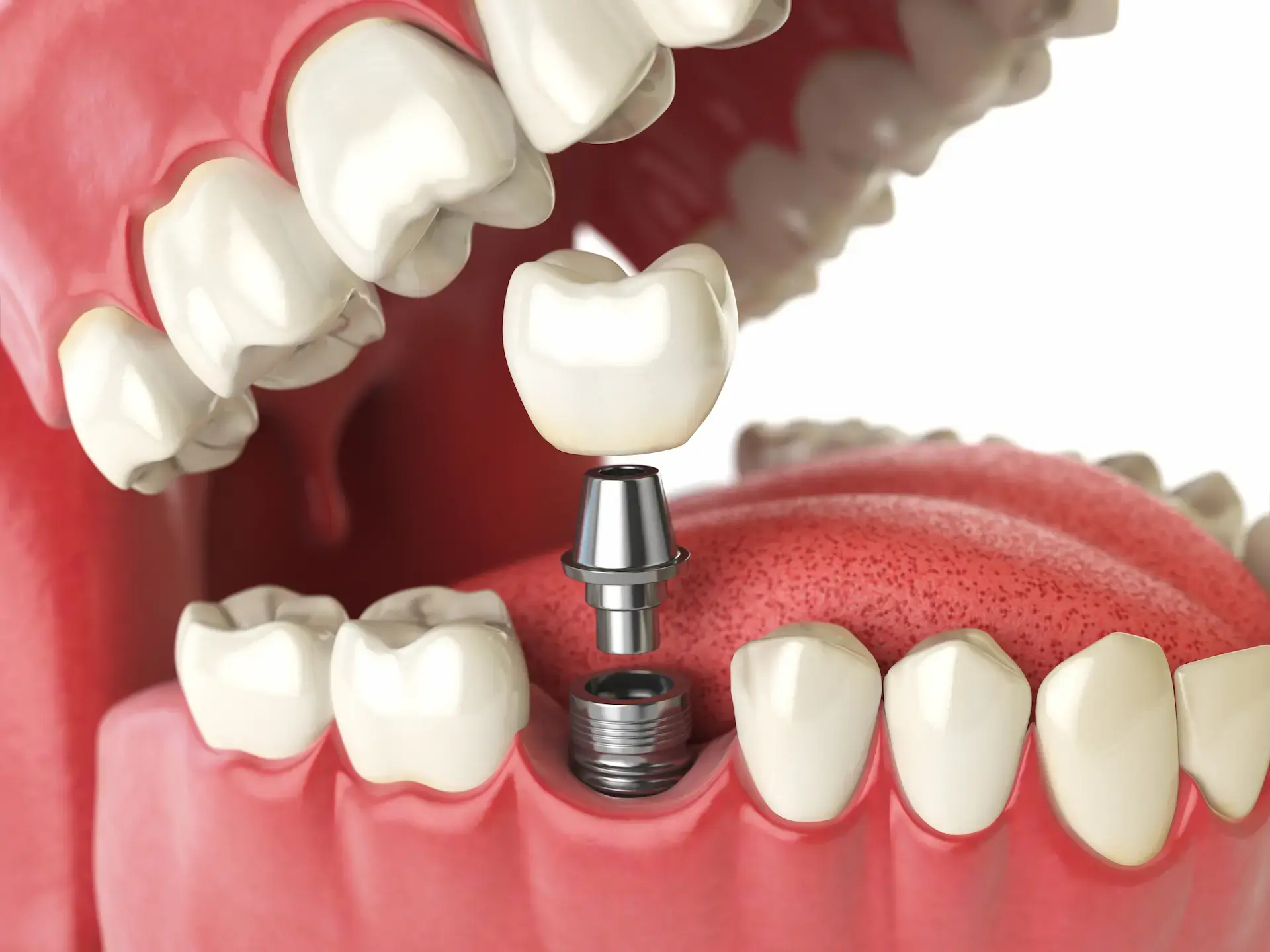
A dental implant is a small fixture placed in the jawbone to support a replacement tooth. Once the implant has healed and is suitable for restoration, it can support a crown, bridge or denture, depending on how many teeth need replacing and the treatment plan.
Unlike a conventional bridge, an implant-supported replacement does not necessarily require neighbouring teeth to be prepared as supports. However, implants involve a surgical procedure and are not the right choice for everyone.
The dentist assesses your oral health, the condition of the jawbone and your individual needs before discussing suitable options.
Depending on your clinical situation, dental implants may offer several benefits:
The expected outcome depends on your oral health, the implant position, the restoration and long-term maintenance. Implants do not guarantee a particular cosmetic or functional result.
Dental implants may be considered for adults who are missing one or more teeth and want to explore replacement options. Suitability depends on more than the gap itself.
Your dentist may assess:
Some patients may need treatment for gum disease or other dental problems before implant placement. If the jawbone does not provide adequate support, bone grafting may be considered. Not everyone needs it.
An examination is the only reliable way to determine whether dental implants are appropriate for your situation.
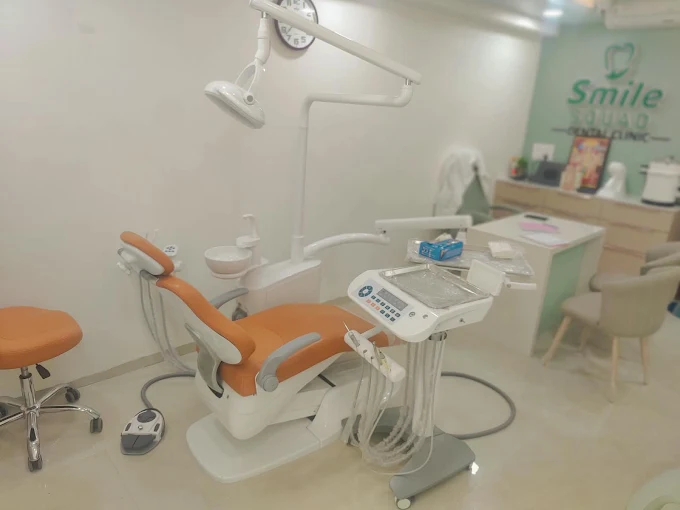
How we treat: Dental Implants
Implant treatment usually involves several stages. The number of visits and the time required vary according to the case.
The dentist reviews your medical and dental history, examines your mouth and recommends appropriate imaging or other investigations when needed. This information helps plan the implant position and the replacement tooth.
Your dentist discusses the proposed approach, expected stages, costs, alternatives and possible risks. If gum treatment, tooth extraction or bone grafting is required, these steps may need to be completed before or alongside implant treatment.
The implant is placed into the jawbone during a surgical procedure, usually with local anaesthesia. The dentist explains the procedure and the aftercare instructions relevant to your case.
The implant needs time to integrate with the surrounding bone. The time required varies and can be longer when additional procedures are necessary. A replacement tooth is not always fitted immediately.
Once the implant is ready for restoration, a crown, bridge or denture is planned and fitted according to your treatment needs. The dentist checks the fit and function and explains how to maintain it.
Implant treatment is not usually completed in a single visit. It involves assessment, possible preparatory treatment, implant placement, healing and fitting the final restoration.
The overall timeline depends on the condition of your jawbone, the need for additional procedures, healing and the type of restoration. Your dentist can give you an estimated schedule after assessing your case.
Some soreness, swelling or bruising can occur after implant placement. The extent and duration depend on the procedure and your individual response.
Your treating dentist will provide instructions specific to your treatment. In general:
Once the restoration is fitted, daily cleaning and regular dental reviews remain important. Dental implants can develop problems involving the surrounding gums or the restoration, so they still require ongoing professional care.
No. Depending on your oral health and preferences, alternatives may include a conventional bridge or a removable partial or full denture.
Each option has different requirements, advantages, limitations and costs. A bridge may use neighbouring teeth for support, while a removable denture can be taken out for cleaning. An implant requires surgery and healing time.
Ask your dentist to compare the options for your particular case before making a decision.
If you are considering dental implants in Ravet, a consultation can help you understand the condition of your teeth and gums, the available replacement options and the steps involved in treatment.
At Smile Squad Dental Clinic, Dr. Aishwarya Naik (MDS) and Dr. Pankaj Garje (BDS) form part of the clinical team. Discuss your dental history, questions, treatment expectations and estimated costs with the treating dentist.
Implant placement is generally performed using local anaesthesia to numb the area. Some soreness, swelling or bruising can occur afterwards. Your dentist will explain the expected recovery and how to manage discomfort for your particular procedure.
Treatment can involve several stages spread over months. The timeline depends on healing, the condition of the jawbone, whether additional procedures are needed and when the replacement tooth can be fitted. Your dentist can estimate the schedule after an assessment.
The cost depends on the number of implants, the type of restoration, the condition of the jawbone and whether additional treatment is needed. Ask the clinic for a written treatment estimate that explains the proposed stages and associated costs.
Yes. Depending on the case, implants may support individual crowns, a bridge or certain dentures. The number and position of implants depend on the clinical assessment and the proposed restoration.
Your dentist may discuss whether bone grafting or another preparatory procedure is appropriate. In some cases, an alternative tooth-replacement option may be more suitable. The recommendation depends on the examination and imaging.
Implants need daily cleaning and regular professional reviews. Your dentist or hygienist can demonstrate how to clean around the implant and restoration and explain the follow-up schedule suited to your oral health.
Explore related treatments available at Smile Squad Dental Clinic.
Dental crowns can restore and cover suitable damaged or weakened teeth. Dental bridges can replace one or more missing teeth using appropriate supporting teeth or implants.
Dentures are removable dental appliances used to replace some or all missing teeth. Full and partial dentures serve different needs depending on the number of missing teeth and the condition of the remaining teeth and gums.
Professional teeth cleaning helps remove plaque and hardened tartar that regular brushing cannot fully eliminate. Cleaning may also include polishing when appropriate.