Dental Crowns and Bridges
Dental crowns can restore and cover suitable damaged or weakened teeth. Dental bridges can replace one or more missing teeth using appropriate supporting teeth or implants.
If you have persistent tooth pain, sensitivity or discomfort while chewing, a dental examination can help identify the cause. Smile Squad Dental Clinic in Ravet provides consultations for patients who may need root canal treatment and other treatments for damaged or infected teeth.
Our clinical team includes Dr. Aishwarya Naik (MDS) and Dr. Pankaj Garje (BDS). We help patients understand their dental concerns and the treatment options available after assessment.
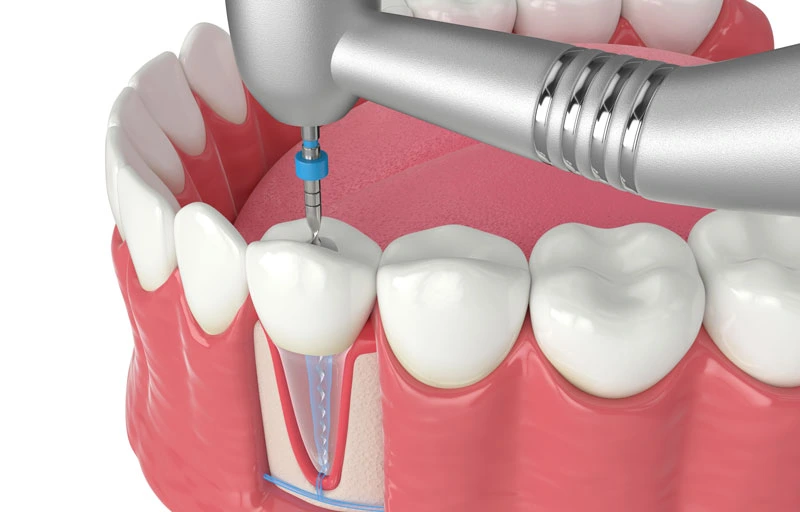
Root canal treatment is a procedure used to treat a tooth when the pulp inside it becomes inflamed or infected. The pulp contains nerves and blood vessels. Deep decay, cracks, injury or repeated dental procedures can sometimes damage this tissue.
During treatment, the affected pulp is removed, the inside of the tooth is cleaned and shaped, and the root canal system is filled and sealed. The tooth is then restored as appropriate to help it function.
The aim is to treat the problem while preserving the natural tooth when possible. The dentist will assess the tooth and explain whether root canal treatment or another option is suitable.
Symptoms can vary, and not every toothache requires an RCT. A dental assessment may be appropriate if you experience:
Some teeth with pulp damage may have few obvious symptoms. Do not rely on symptoms alone to determine whether a root canal is needed.
Facial swelling, fever or rapidly worsening pain warrants prompt dental assessment. Difficulty breathing or swallowing requires emergency medical attention.
When the tooth can be treated successfully, root canal treatment may help:
The outcome depends on factors such as the amount of remaining tooth structure, the extent of damage and the final restoration. No dental procedure can guarantee a particular result.
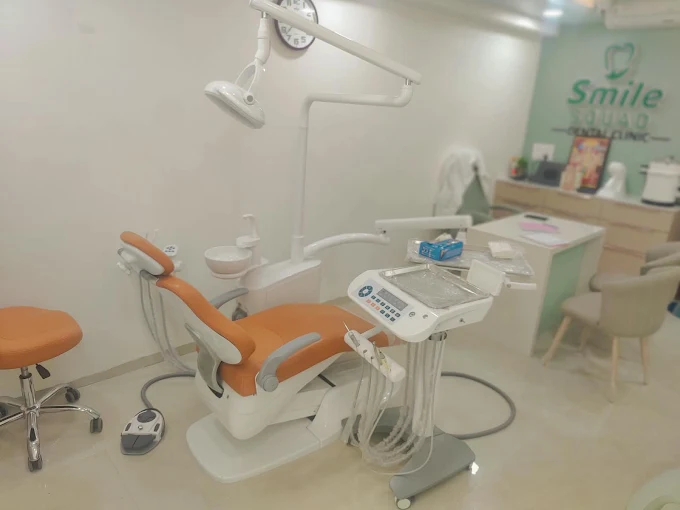
How we treat: Root Canal Treatment
The dentist asks about your symptoms, examines the tooth and may recommend an X-ray when clinically indicated. This helps assess the tooth and surrounding structures.
Local anaesthesia is generally used to numb the area. The tooth is isolated to help maintain a clean working field during treatment.
The dentist accesses the inside of the tooth, removes the affected pulp tissue and cleans and shapes the root canal system.
The cleaned canals are filled and sealed. Depending on the case, a temporary restoration may be placed before the final restoration.
A filling or dental crown may be required to restore the tooth. The choice depends on the remaining tooth structure, the tooth's position and the amount of chewing force it must withstand.
Not every root-treated tooth needs the same type of restoration. A crown is often considered when a tooth has lost substantial structure or needs additional protection against fracture.
Your dentist can assess the remaining tooth structure and explain whether a filling, crown or another restoration is appropriate.
A tooth that has already undergone root canal treatment may sometimes develop a new problem or fail to heal as expected. Possible causes include new decay, a damaged restoration or a canal that was difficult to identify and treat initially.
An examination is needed to establish the cause. Depending on the findings, a dentist may discuss retreatment, another procedure or alternative options.
After treatment, some tenderness around the tooth can occur and should generally improve. Follow the instructions provided by your treating dentist.
The appropriate recovery advice depends on the treatment performed and your individual condition.
If you have tooth pain or have been advised to consider a root canal, the next step is to understand the condition of the tooth and the available treatment options.
At Smile Squad Dental Clinic, Ravet, Dr. Aishwarya Naik (MDS) and Dr. Pankaj Garje (BDS) form part of the clinical team providing dental care. During your consultation, discuss your symptoms, the proposed procedure, the expected restoration and the follow-up required.
Local anaesthesia is generally used to numb the area during treatment. Some tenderness can occur afterwards. Tell your dentist if you feel pain during the procedure, and seek advice if discomfort becomes severe or worsens.How many visits does root canal treatment take?The number of visits depends on the tooth, the complexity of the treatment and the clinical findings. Your dentist can explain the expected schedule for your particular case.
A crown may be recommended when the tooth has lost substantial structure or needs additional protection. Other teeth may be restored differently. Your dentist will assess the tooth before recommending a restoration.
Yes. New decay, a damaged restoration or problems with healing can sometimes affect a previously treated tooth. Persistent pain or swelling should be assessed by a dentist.
The cost depends on the tooth being treated, the complexity of the procedure and any additional restoration required. Contact Smile Squad Dental Clinic for current pricing and a treatment estimate after your assessment.
Explore related treatments available at Smile Squad Dental Clinic.
Dental crowns can restore and cover suitable damaged or weakened teeth. Dental bridges can replace one or more missing teeth using appropriate supporting teeth or implants.
Tooth extraction involves removing a tooth when removal is considered appropriate. Depending on the condition of the tooth, alternatives such as a filling or root canal treatment may also need to be considered.
Dental implants are one option for replacing missing teeth. An implant is placed in the jawbone and can support a replacement tooth, bridge or certain types of dentures.