Teeth Cleaning
Professional teeth cleaning helps remove plaque and hardened tartar that regular brushing cannot fully eliminate. Cleaning may also include polishing when appropriate.
Teeth can become stained or darker over time due to ageing, food and drinks, tobacco use and other factors. Professional teeth whitening is a cosmetic dental treatment that can lighten the colour of natural teeth when it is suitable for the patient.
At Smile Squad Dental Clinic in Ravet, Pimpri-Chinchwad, you can enquire about teeth whitening and discuss the possible causes of tooth discolouration. A dental assessment helps determine whether whitening is appropriate or whether cleaning or another treatment may better address your concern.
Looking for teeth whitening in Ravet? Book a consultation to discuss suitable options, expected results, treatment costs and possible side effects.
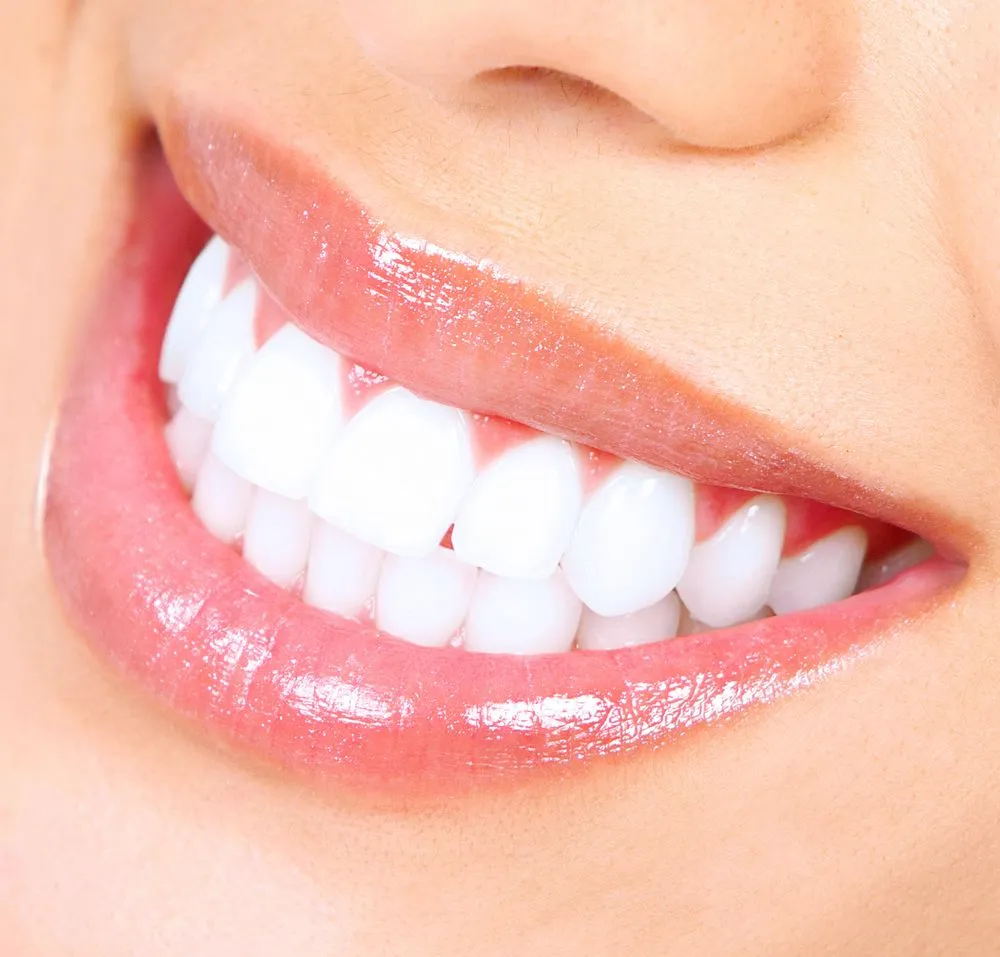
Professional teeth whitening, also called tooth bleaching, uses whitening agents to lighten the colour of natural teeth. Depending on the treatment plan, a dental professional may provide an in-office procedure or a supervised at-home whitening system.
The appropriate method depends on the type and cause of discolouration, your dental health and your expectations. Whitening may help with certain stains, but it will not produce the same result for every person.
A dentist should assess your teeth and gums before treatment and explain the likely outcome and any limitations.
Teeth can change colour for several reasons. Understanding the cause helps determine whether whitening is likely to be useful.
Not all tooth discolouration responds equally to whitening. A dental examination can help identify the likely cause and whether another treatment is more appropriate.
Teeth whitening and teeth cleaning serve different purposes.
Professional teeth cleaning removes plaque, tartar and certain surface stains. It supports oral hygiene but does not intentionally change the natural shade of teeth.
Teeth whitening uses whitening agents to lighten the colour of natural teeth. It may be considered when tooth discolouration remains after routine oral hygiene and any necessary cleaning.
If your main concern is tartar buildup or gum health, a cleaning assessment may be the appropriate first step. If you are concerned about tooth colour, your dentist can explain whether whitening is suitable.
The choice of treatment depends on your dental assessment and the services offered by your dental provider.
A dentist may recommend a suitable whitening kit, sometimes using trays made to fit your teeth. You receive instructions on how to use the product and how long to continue treatment.
The treatment usually takes place over a period of time rather than producing an immediate change. Follow the prescribed instructions and attend any recommended reviews.
Some professional whitening treatments are carried out at a dental clinic. The dental professional evaluates your oral health, selects an appropriate approach and takes steps to protect the gums and surrounding tissues during treatment.
The procedure and duration depend on the method used. Ask what the proposed treatment involves and what results can reasonably be expected.
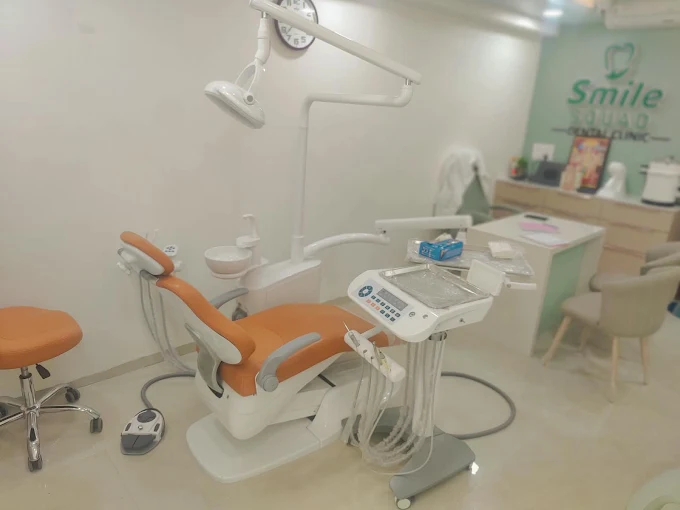
How we treat: Teeth Whitening
Explain what you have noticed about your tooth colour and what you hope to achieve. Your dentist may ask about sensitivity, previous dental treatment and relevant oral health concerns.
The dentist checks your teeth and gums to determine whether whitening is appropriate. Existing decay, gum problems or other dental concerns may need attention before cosmetic treatment.
Your dentist explains the available treatment options, expected results, likely duration, costs and possible side effects. Existing crowns, fillings and other restorations should also be considered when planning treatment.
If you are suitable for whitening and decide to proceed, the dental professional explains the treatment process and precautions. Follow the instructions provided and do not use whitening products more frequently than directed.
Whitening may cause temporary tooth sensitivity or irritation of the gums. The likelihood and degree of these effects vary according to the product, concentration and method used.
A dental assessment is important before beginning treatment, particularly if you already have sensitive teeth, gum problems, untreated decay or dental restorations that may affect the final appearance.
Whitening changes the colour of natural teeth; it does not lighten crowns, veneers, fillings or implant restorations. This can lead to a difference in colour between natural teeth and existing dental work. Discuss these limitations with your dentist before treatment.
Children and adolescents require particular care when considering cosmetic whitening. A dentist should assess age, dental development and oral health and explain whether treatment is appropriate; cosmetic whitening is generally not recommended for children and younger adolescents.
Whitening results are not permanent, and teeth may become stained again over time. Your dentist can explain what to expect based on your treatment and habits.
Do not rely on household ingredients or abrasive do-it-yourself methods to whiten teeth. Some methods have limited evidence of benefit and may damage tooth surfaces or irritate the gums.
Choosing a cosmetic dental treatment starts with understanding the cause of discolouration and what can realistically be achieved.
At Smile Squad Dental Clinic in Ravet, you can enquire about your concerns and discuss the appropriate next steps for assessment and treatment planning.
The cost depends on the method used, the condition of your teeth and the treatment plan. Contact Smile Squad Dental Clinic for current fees after confirming which whitening services are available.
No. Whitening is intended to lighten the colour of natural teeth. Hardened tartar needs professional removal through dental cleaning, so your dentist can advise whether cleaning should come first.
Whitening agents do not change the colour of existing crowns, fillings, veneers or implant restorations in the same way they affect natural teeth. Discuss any visible restorations with your dentist before treatment.
Yes. Temporary tooth sensitivity and gum irritation are recognised side effects. Your dentist can assess risk factors and explain what to do if discomfort develops.
Results vary and are not permanent. Tooth colour may change again over time depending on habits, the treatment used and individual factors. Your dentist can advise you on maintaining the results.
No. Suitability depends on age, oral health, the cause of discolouration and the condition of existing restorations. A dentist should assess your teeth and gums before treatment.
A dental professional can determine whether whitening is suitable, recommend an appropriate method and explain the precautions. Some do-it-yourself methods lack good evidence of benefit and may damage teeth or gums.
Explore related treatments available at Smile Squad Dental Clinic.
Professional teeth cleaning helps remove plaque and hardened tartar that regular brushing cannot fully eliminate. Cleaning may also include polishing when appropriate.
Smile design involves assessing the appearance and function of the teeth, gums and bite to plan suitable dental treatments around a person's concerns.
Dental crowns can restore and cover suitable damaged or weakened teeth. Dental bridges can replace one or more missing teeth using appropriate supporting teeth or implants.