Teeth Cleaning
Professional teeth cleaning helps remove plaque and hardened tartar that regular brushing cannot fully eliminate. Cleaning may also include polishing when appropriate.
Bleeding gums, swelling and persistent bad breath can be signs that your gums need attention. These symptoms may be associated with plaque buildup, gum inflammation or periodontal disease. Identifying the cause early helps your dentist recommend appropriate care.
At Smile Squad Dental Clinic in Ravet, Pimpri-Chinchwad, you can enquire about gum health assessments and treatment options for gum-related concerns. The appropriate approach depends on the condition of your gums, the amount of plaque and tartar present, and whether the tissues supporting your teeth have been affected.
Looking for gum treatment in Ravet? Book a dental consultation to discuss your symptoms, understand the cause and learn about suitable treatment options.
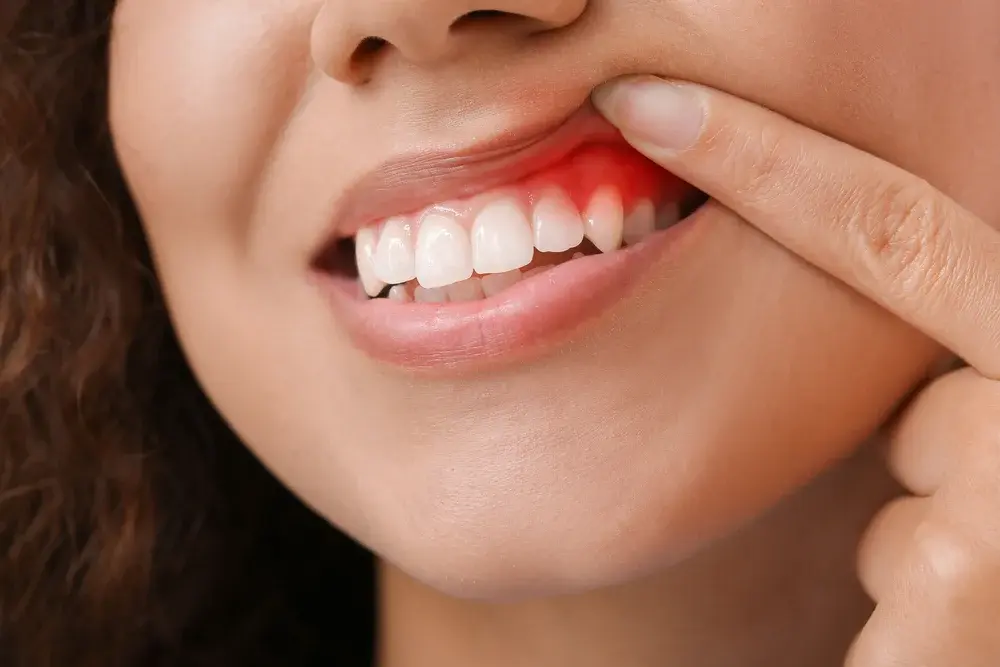
Gum disease refers to conditions that affect the tissues surrounding and supporting your teeth. It commonly begins when plaque, a sticky film containing bacteria, accumulates around the gumline.
If plaque is not removed effectively, it can contribute to gum inflammation. Plaque may also harden into tartar, which cannot be removed completely through ordinary brushing at home.
Gum disease can range from early gum inflammation, known as gingivitis, to periodontitis, which affects the supporting tissues and bone around the teeth.
Early gum inflammation can often be managed with professional cleaning and improved daily oral hygiene. Periodontitis may require more extensive treatment and ongoing monitoring.
Recognising changes in your gums can help you seek assessment before a problem progresses.
Gum disease does not always cause noticeable pain, particularly in its earlier stages. Do not wait for severe discomfort before arranging a dental assessment.
These symptoms can have different causes, so an examination is needed to determine whether gum disease or another dental condition is responsible.
Gingivitis is an early form of gum disease involving inflammation of the gum tissue. Common signs include bleeding, redness and swelling.
At this stage, the tissues supporting the teeth have not been damaged by periodontitis. Professional cleaning, effective daily plaque removal and appropriate follow-up can often help reverse gingivitis.
Periodontitis is a more advanced condition that affects the structures supporting the teeth. Inflammation can damage the surrounding tissues and bone, potentially causing teeth to loosen or be lost if the disease progresses.
Treatment may involve cleaning below the gumline, periodontal assessment and ongoing maintenance. More advanced cases may require specialist treatment.
The two conditions require different approaches, which is why gum assessment is important before deciding on treatment.
Treatment depends on the severity of the condition, the amount of tartar present and whether the supporting tissues have been affected.
When gum inflammation is associated with plaque and tartar buildup, professional cleaning may be recommended. It removes deposits that ordinary brushing cannot fully eliminate.
Your dentist can also advise you on brushing technique and cleaning between your teeth to help control plaque at home.
For some people with periodontitis, routine cleaning may not be sufficient. Scaling and root planing is a deeper cleaning procedure that removes deposits from above and below the gumline and cleans the root surfaces.
It may require more than one appointment. Local anaesthesia may be used when needed, and temporary sensitivity or soreness can occur afterwards.
The need for this procedure depends on the clinical findings, including the condition of the gums and the spaces around the teeth.
Your dentist may measure the spaces between your teeth and gums and recommend dental X-rays when clinically necessary to assess supporting bone.
Follow-up appointments help evaluate how your gums respond to treatment and whether additional care is required.
Some advanced gum conditions may require assessment or treatment by a periodontist, a dentist with specialist training in gum disease.
Depending on the findings, treatment may involve procedures beyond routine cleaning. Your dentist can explain whether specialist care or referral is appropriate.
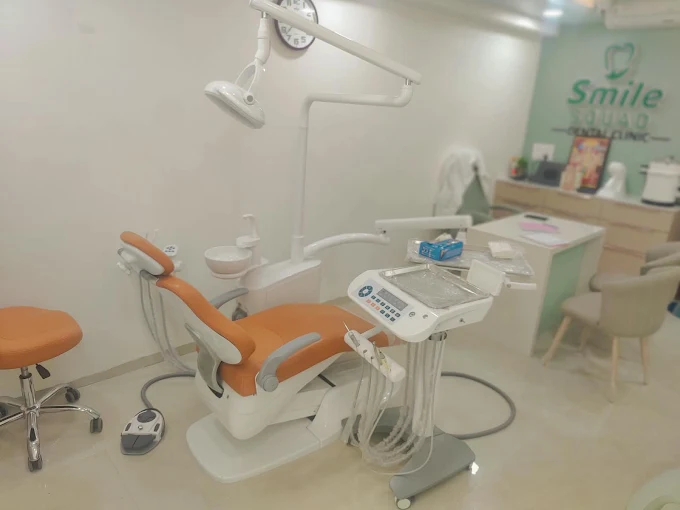
How we treat: Gum Treatment
Tell the dentist about bleeding, swelling, bad breath, sensitivity or changes in tooth stability. Mention when the symptoms began and whether they have changed.
The dentist examines your gums and teeth for plaque, tartar, inflammation and other concerns. Periodontal probing may be used to measure spaces between the gums and teeth.
Dental X-rays may be recommended if the examination suggests that assessment of the supporting bone is necessary. The tests depend on your individual condition.
Your dentist explains the findings and discusses the recommended treatment, expected appointments, likely costs and home-care measures.
After treatment, the dentist may schedule follow-up visits to assess gum health and help prevent recurrence. The timing depends on your condition and risk factors.
Professional treatment works best when combined with an effective daily oral hygiene routine.
Do not attempt to remove hardened tartar using sharp objects or household tools. Professional assessment is needed to determine the safest way to remove it.
Gum care starts with understanding what is causing the symptoms and determining whether routine cleaning or more specific periodontal treatment may be needed.
At Smile Squad Dental Clinic in Ravet, you can enquire about gum health concerns and discuss the next steps for assessment and treatment planning.
Bleeding gums can be associated with plaque buildup and gum inflammation, but other causes are possible. If bleeding recurs or persists, arrange a dental examination to identify the cause.
Gingivitis, the early stage of gum disease, can often be reversed with appropriate professional cleaning and effective daily oral hygiene. Periodontitis is more complex because it involves damage to the tissues supporting the teeth and needs ongoing management.
It depends on the condition. Professional cleaning may be sufficient for gingivitis, while periodontitis can require scaling and root planing, periodontal follow-up or additional treatment.
The level of discomfort varies with the condition and the procedure. Deeper cleaning may cause temporary sensitivity or soreness, and local anaesthesia may be used when needed. Ask your dentist what to expect for your treatment.
Advanced periodontitis can damage the tissues and bone supporting teeth, potentially causing them to loosen. A dentist should assess loose teeth promptly to determine the cause and available options.
The cost depends on the severity of the gum condition, the type of treatment needed and the number of appointments required. Contact Smile Squad Dental Clinic for current fees and an estimate after your assessment.
Arrange prompt dental care for persistent bleeding, swelling, worsening pain or suspected infection. If you experience significant facial swelling, fever with worsening dental symptoms, or difficulty swallowing or breathing, seek urgent medical or dental care. Difficulty breathing or swallowing requires emergency medical attention.
Explore related treatments available at Smile Squad Dental Clinic.
Professional teeth cleaning helps remove plaque and hardened tartar that regular brushing cannot fully eliminate. Cleaning may also include polishing when appropriate.
Tooth extraction involves removing a tooth when removal is considered appropriate. Depending on the condition of the tooth, alternatives such as a filling or root canal treatment may also need to be considered.
Dental implants are one option for replacing missing teeth. An implant is placed in the jawbone and can support a replacement tooth, bridge or certain types of dentures.